Getting Around Vancouver Shouldn't Be So Difficult
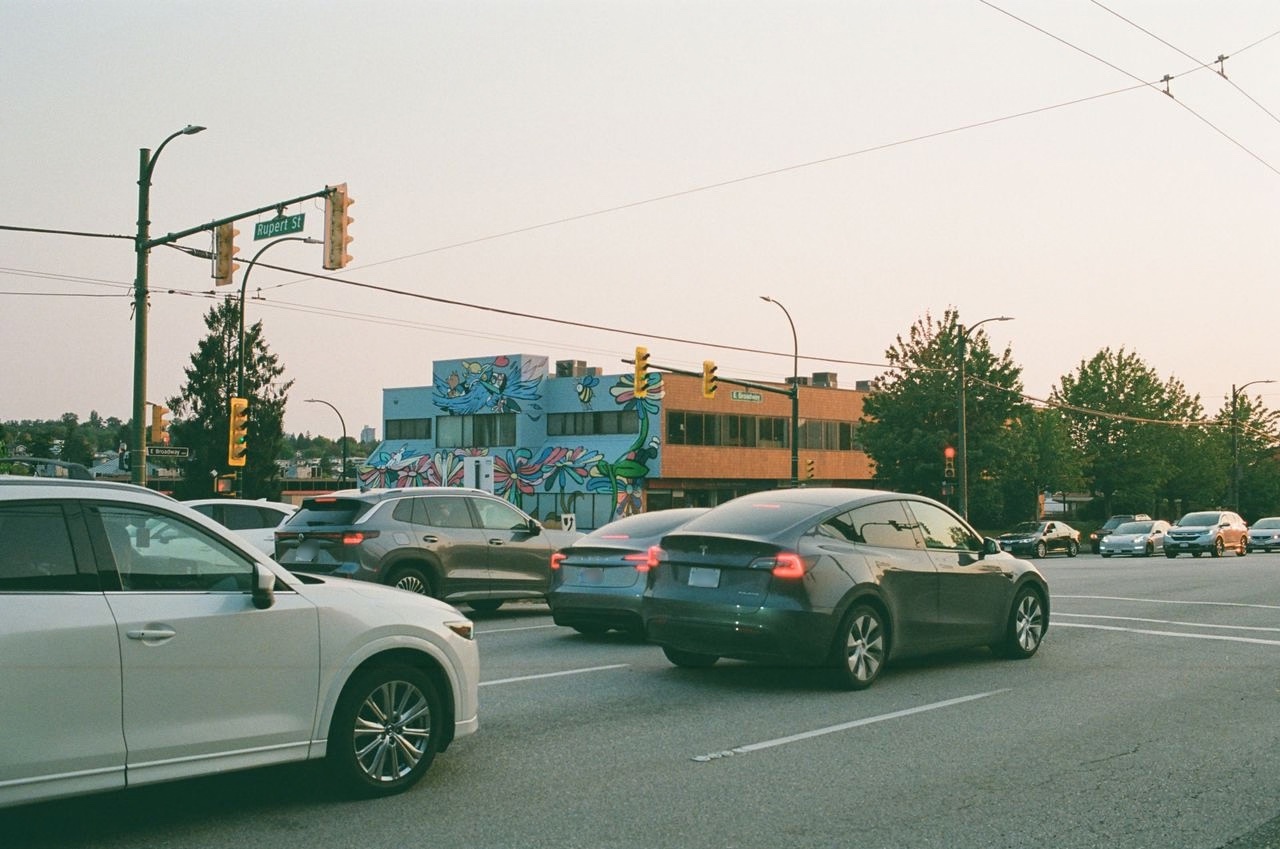
Anyone who’s driven or taken a bus through Vancouver knows how frustrating traffic can be. You sit through one red light, move a block or two, and stop at another. All that waiting adds up, whether you’re trying to get to work, make an appointment, or just get home.
Part of the problem is our aging traffic signal system. Vancouver has traffic signals dating back to the 1940s, and the City identified aging signals reaching the end of their useful lives in its own capital planning reports. Meanwhile, TransLink reports that traffic congestion costs our regional bus system approximately $115 million a year, with passengers losing more than 44,000 hours every weekday sitting in delayed buses.
I want to see Vancouver modernize its traffic signals so they respond to actual traffic conditions instead of relying on fixed schedules. Imagine driving along a major street with the lights coordinated to keep traffic moving at the speed limit, rather than stopping at every intersection. When traffic builds up, signals could adjust their timing to clear the backlog. When a bus is running behind, the system could extend a green light to help it stay on schedule.
This isn’t about choosing between drivers and transit passengers. When our streets work more efficiently, everyone benefits. Drivers spend less time idling, buses become more reliable, and TransLink can spend less money dealing with delays and more money on improved service.
The City controls its streets and traffic signals. Modernizing them is a practical improvement within City Hall’s authority, and it’s something I’ll push for on Council.
